
From burnout to belonging: Nervous‑system repair for high‑capacity neurodivergent adults
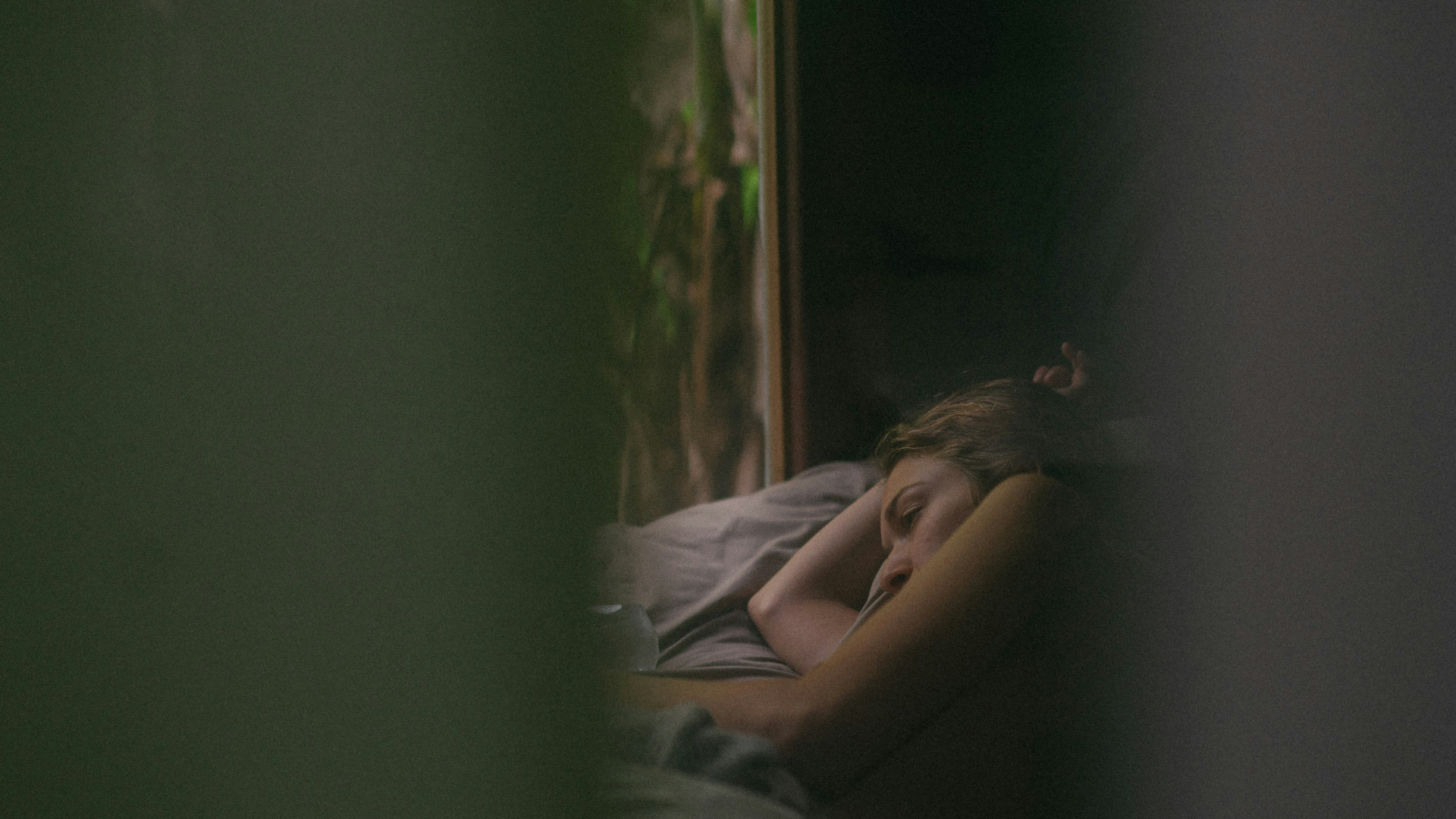
You’ve been on for so long, you can’t remember what off feels like.
Another meeting. Another message. Another mental calculation of what needs to happen next.
From the outside, it looks like you’re managing. Performing. High-achieving.
But inside? Your system is running on fumes.
If you’re gifted, highly sensitive, or neurodivergent - and living a full life of parenting, career, caregiving, creating - burnout isn’t just about doing too much.
It’s about doing too much for too long without being met.
It’s about a body whispering, then pleading: Slow down. Please. I can’t keep up like this.
And here’s the quiet truth:
Your nervous system already knows how to carry you.
It just hasn’t been given the conditions to remember.
When you’re constantly pushing through without pause, the nervous system doesn’t feel safe enough to reset. Over time, that can look like brain fog, physical fatigue, shutdown, anxiety - or a sense of numbness where joy used to live.
But healing doesn’t start with doing more.
It starts with doing differently - by tuning back into the signals your body’s been sending all along.
Why “fixing” doesn’t always work
You’ve tried the productivity hacks.
The colour-coded planners.
The motivational pep talks.
The “just push through” approach.
And sure - some of it helped. For a moment.
But then the fatigue came back. The numbness. The brain fog. The quiet flatness that feels like you’re watching your life instead of living it.
That’s because what you’re experiencing isn’t a lack of discipline. It’s a nervous system stuck in survival mode.
For gifted, sensitive, and neurodivergent adults, the nervous system often runs differently. It can stay in high-alert mode longer. It may shut down faster under pressure. And it rarely gets the signal that it’s safe to truly rest.
So when your body’s command centre is caught between overdrive and shutdown - living in a constant state of “something’s not right” - even the best productivity systems won’t land. They weren’t built for your wiring.
You don’t need to be fixed.
You need space to regulate.
To breathe.
To come home to a body that feels like a safe place to be in.
That’s the difference between managing symptoms and actually shifting the system underneath.

What belonging in your nervous system feels like
Belonging isn’t something you earn.
It’s not a title, a checklist, or another goal to chase.
It’s a felt sense - your nervous system finally exhaling.
It’s the moment your body realises:
I don’t have to brace here.
I don’t have to perform to be safe.
It might look like:
Waking up without that immediate surge of cortisol, dread, or over-preparedness
Moving through a conversation without mentally editing every word mid-sentence
Finishing a workday without collapse - just completion
Following your own rhythm, not someone else’s urgency
This isn’t softness as weakness.
It’s softness as capacity.
Not giving up - but coming into alignment with what your system actually needs to thrive.
And when your nervous system starts to feel safe inside your life?
You don’t just function. You belong. Fully, gently, unapologetically.
Three ways to start repairing your nervous system today
When your body’s been in overdrive for years - hyper-alert, masking, running on empty - regulation doesn’t start with rest.
It starts with recognition. With small, repeated signals that say: you’re safe now.
Here’s how to begin:
1. Track how you dysregulate - not just that you do
Instead of saying, “I’m tired again,” start noticing where and when your system tips out of balance.
That jaw tension in the meeting?
The heart flutter when a task surprises you?
The blank stare before opening an email?
These are your nervous system’s early cues.
Mapping them gives you data - your data.
And that awareness is the first step toward gentle repair.
2. Offer your body a new cue of safety
Safe doesn’t mean silent.
It means: my body is allowed to land here.
Try these somatic tools for nervous system regulation:
Humming or low singing – vibrates the vagus nerve, soothing your stress response
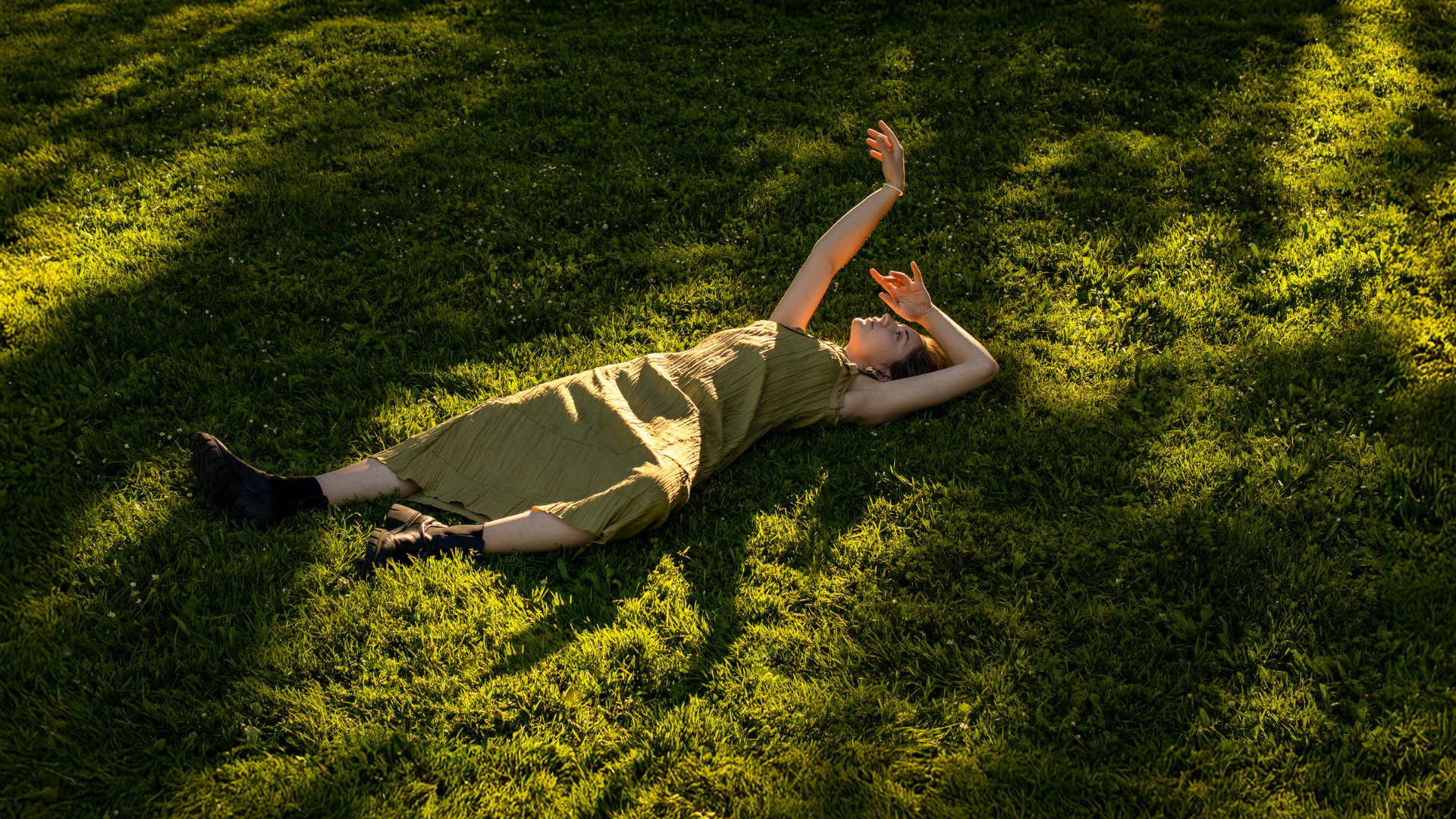
Weighted pressure – lie down with a heavy blanket or lie flat on your back on the floor and feel where your body makes contact with the ground
Rhythmic movement – think slow walking, gentle bouncing, or moving with your breath
These aren’t tricks. They’re invitations - ways to move back into balance.
3. Cultivate capacity before collapse
Most of us only stop when we hit the wall.
Flip that.
Insert micro-moments of safety into your day before you’re overwhelmed:
Shake, stretch or move your body for just 5 minutes
Choose one grounding anchor each morning (a 10 minute yoga practice, 2 minutes of breathwork, 5 minutes with your morning cuppa staring at the sky or nature)
Put a hand on your heart and say to yourself "I love you" or "You are safe"
These aren’t performance tasks.
They’re belonging cues - daily signals that you’re allowed to be a full human, not just a function.
You’re wiser than your burnout
You didn’t land here by accident.
This overwhelm? This bone-deep exhaustion?
It’s not a personal failure - it’s feedback.
Your brain, body, and wiring are trying to tell you something.
About mismatch.
About unmet needs.
And about what becomes possible when you’re no longer forcing yourself to fit.
You’re not broken.
You’re wired for depth.
And burnout isn’t a flaw - it’s a signal that the way you’ve been living isn’t aligned with the way you’re built.
Repair doesn’t mean “fixing” what’s wrong with you.
It means remembering what your system already knows:
How to rest.
How to feel.
How to be.

If you’re ready to stop doing this alone -
To be met, not managed -
To work with your system instead of against it -
I offer therapeutic coaching for high-capacity, neurodivergent adults.
We blend rhythm work, nervous system healing, and real-world support - at your pace, in your language, on your terms.
This is part of a monthly series on neurodivergence, burnout, and healing. Subscribe to the newsletter for stories and tools that meet you where you are.
May you be the light that the world needs.
