
The 6 types of giftedness: Why being gifted isn’t just about intelligence

When people hear the word gifted, they usually picture one thing.
High IQ.
Top sets.
The child who finishes first.
But that version of giftedness is only one part of the picture.
And for many people - both adults and parents - it’s the reason giftedness gets missed entirely.
Because what if it didn’t look like high grades?
What if it looked like sensitivity?
Intensity?
Creativity?
Big questions?
Or a child who feels deeply but struggles to fit the system they’re in?
Giftedness isn’t one-dimensional. It’s layered.
And when you begin to understand the different types of giftedness, something shifts.
You might recognise yourself.
Or you might recognise your child.
Often, it’s both.
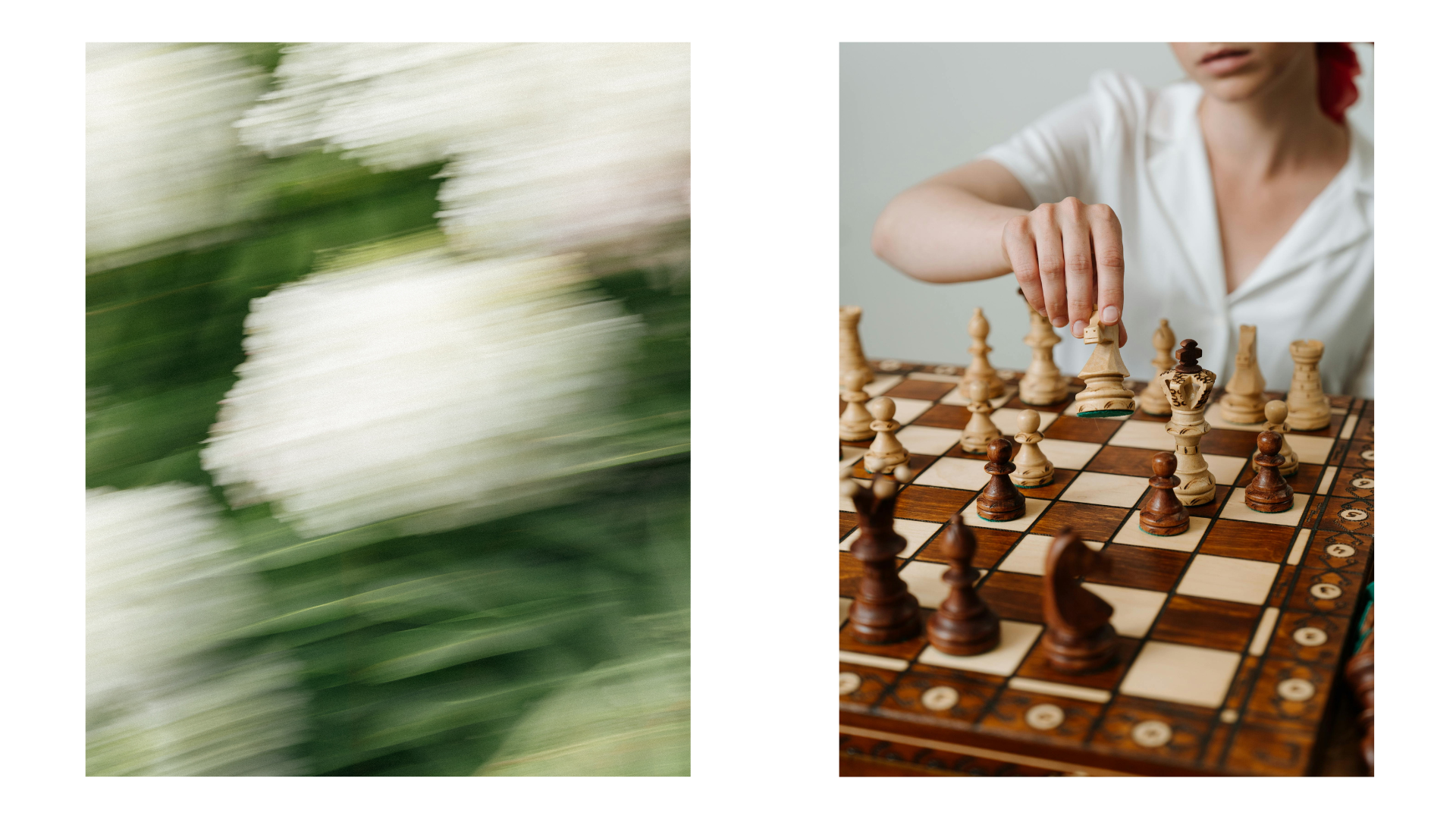
1. Intellectual giftedness
This is the one most people recognise.
A fast, analytical mind.
Curiosity that doesn’t switch off.
A need to understand how things work.
You might notice:
A child asking complex or abstract questions early on
Getting bored easily in structured environments
A strong ability to see patterns, logic, or systems
A mind that’s always “on”
But intellectual giftedness doesn’t always lead to achievement.
In fact, many intellectually gifted people underachieve - not because they lack ability, but because the system doesn’t match how they think.
Giftedness isn’t about how well you perform.
It’s about how deeply you process.

2. Emotional giftedness
This is one of the most overlooked - and often the most misunderstood.
Emotional giftedness is depth.
A nervous system that feels everything more intensely.
An ability to read tone, energy, and subtle shifts quickly.
A deep awareness of others.
In a child, this might look like:
Big emotional reactions
Strong empathy
Feeling things “too much”
Becoming overwhelmed easily
In adults, it often shows up as:
Over-responsibility for others
Deep processing of experiences
Difficulty “switching off” emotions
You may have been told: “You’re too sensitive.”
But what’s really there is emotional depth.
When supported, this becomes emotional intelligence, connection, and the ability to hold complexity that others avoid.
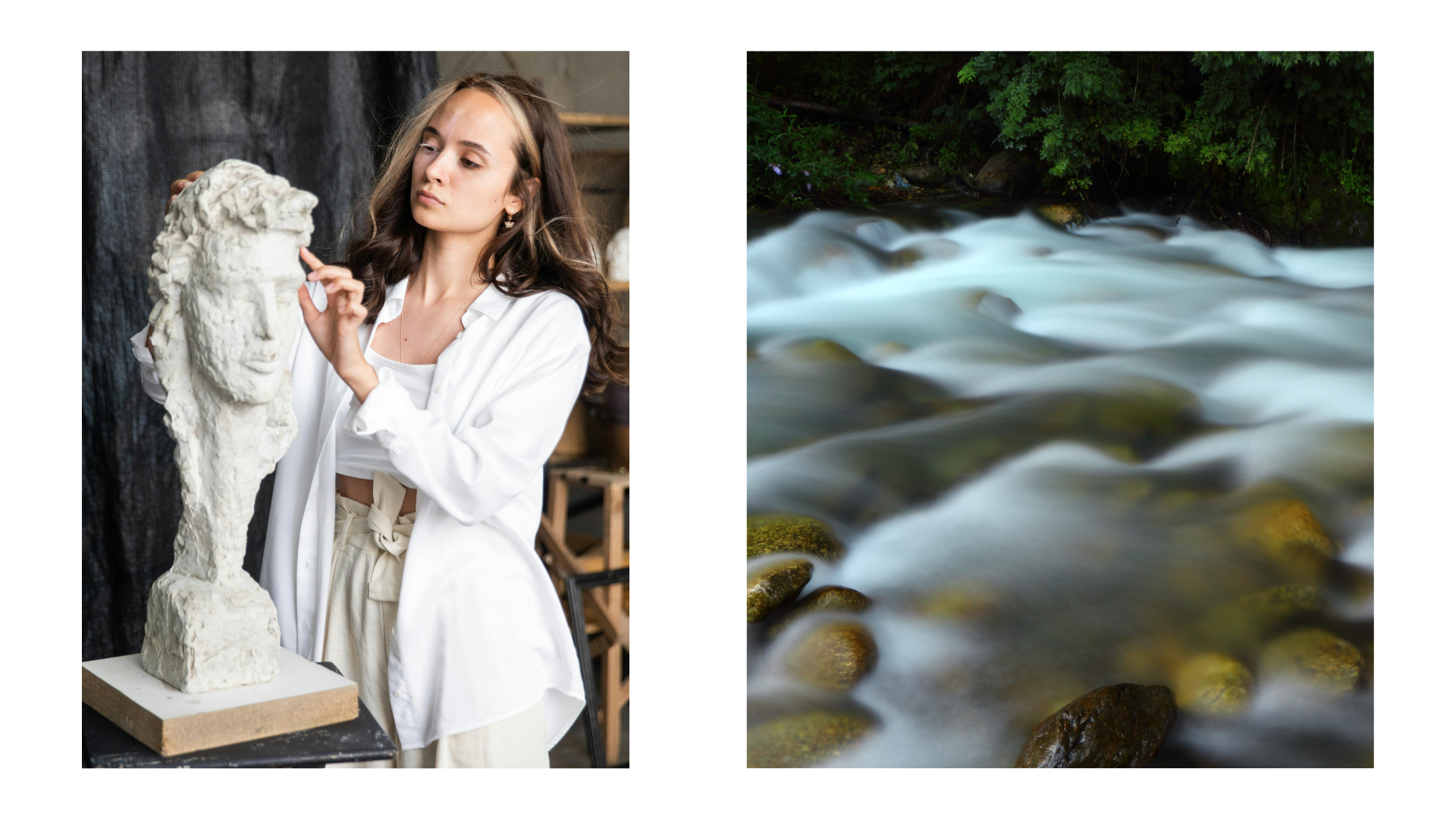
3. Creative giftedness
Creative giftedness often lives in the internal world.
A vivid imagination.
A deep connection to music, art, or storytelling.
The ability to feel something - and express it.
This isn’t just “being creative.”
It’s immersive.
You don’t just hear music - you feel it in your body.
You don’t just read - you enter the story.
Ideas don’t come step-by-step - they expand, connect, evolve.
In children, this might look like:
Daydreaming
Getting lost in imagination
Creating stories, drawings, or worlds
In adults:
Non-linear thinking
Seeing possibilities others don’t
Difficulty explaining ideas that feel obvious internally
Creative giftedness is often mistaken for distraction.
But it’s actually a different processing style - one that doesn’t follow straight lines.

4. Physical giftedness
This is intelligence expressed through the body - and it’s often missed.
It can show up as:
Dance
Sport
Coordination
Fine motor skill
But also something less obvious:
The ability to create in the physical world.
To take an idea - and build it.
Engineers. Designers. Builders.
Someone like Elon Musk didn’t just imagine rockets. He created them.
There’s a translation happening:
From thought → into form.
That’s a form of giftedness.

5. Existential giftedness
This often shows up early - and can feel hard to name.
Questions like:
Why are we here?
What’s the meaning of life?
What happens when we die?
Not as passing thoughts - but as something that matters.
In children, this can look like:
Deep questioning
Concern about fairness, life, or the world
Feeling different from peers
In adults:
A strong pull towards purpose
Difficulty engaging in surface-level conversations
A sense of searching for something more
There’s often a deep connection to the world, to animals, to something bigger than the individual self.
This kind of giftedness isn’t always recognised - but it’s where meaning and purpose live.
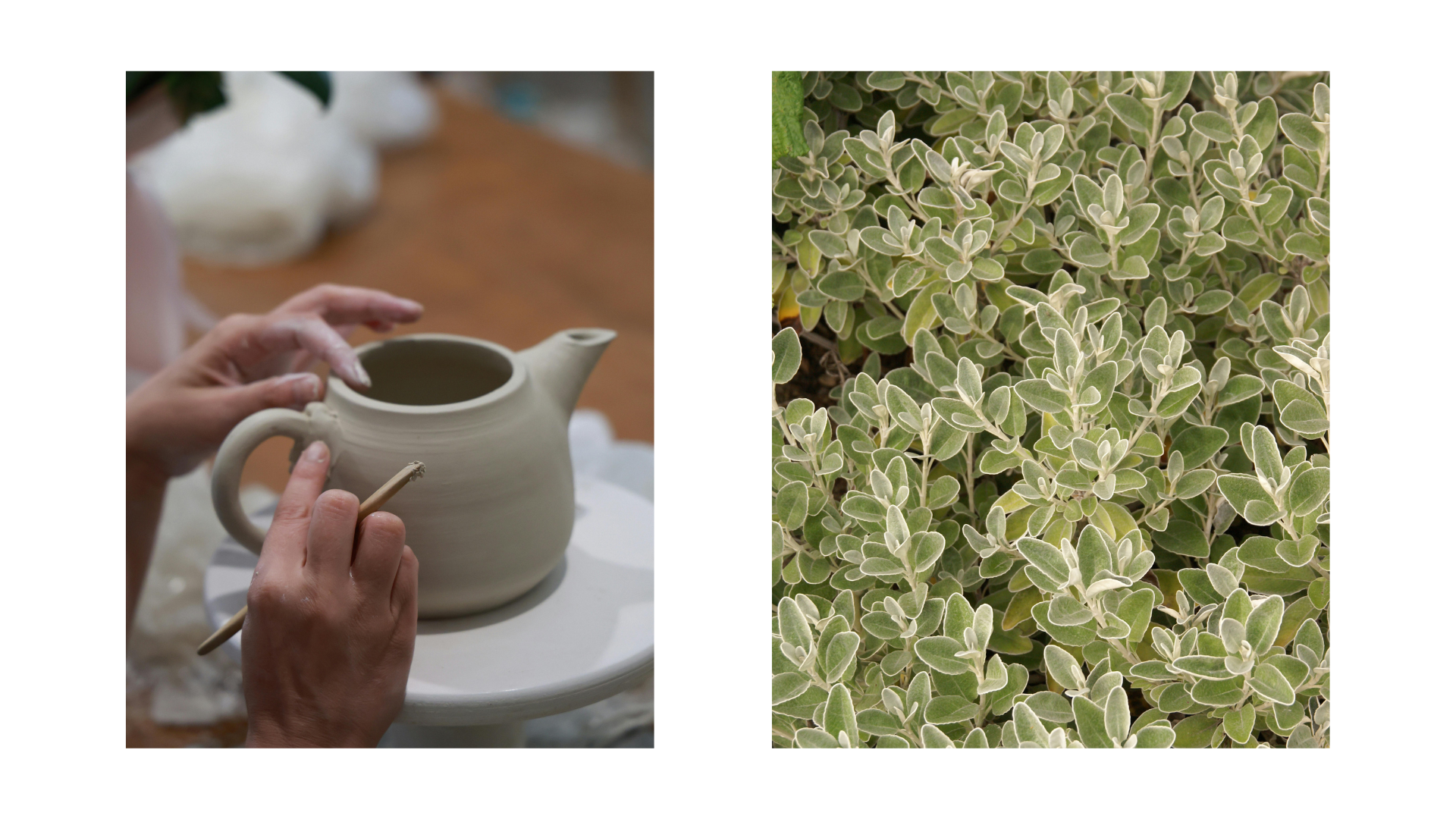
6. Sensorial giftedness
This is one of the most recognisable - once you know what you’re looking for.
Sensorial giftedness is heightened awareness through the senses.
It can look like:
Strong reactions to taste, texture, or sound
Noticing when something is slightly “off”
Seeing when lines aren’t straight or things aren’t aligned
Hearing subtle differences others don’t notice
In children, this might show up as:
Sensory sensitivities
Strong preferences around food or clothing
Overwhelm in certain environments
In adults:
A strong aesthetic awareness
Noticing detail others miss
Needing specific environments to feel regulated
This isn’t being “fussy.”
It’s precision.
A nervous system that is finely tuned.
Why this matters
When we only recognise one type of giftedness, we miss so much.
We miss the child who feels deeply but struggles in school.
We miss the adult who questions everything but never felt “academic enough.”
We miss the creative, the sensitive, the perceptive.
And often - we miss ourselves.
You might have grown up thinking:
“If I were gifted, someone would have told me.”
But giftedness isn’t always visible.
And it isn’t always rewarded.
Sometimes it’s masked.
Sometimes it’s misunderstood.
Sometimes it’s called something else entirely.
If this is starting to resonate - especially if you’re recognising yourself later in life - you might also want to explore what it looks like to be gifted but never formally identified.
I’ve written more about that here:
→ Gifted but not labelled: What happens when your mind always knew
And if you’re navigating both giftedness and neurodivergence, this piece may help you make sense of the overlap:
→ Twice-exceptional (2e): The gifted & neurodivergent experience
So what now?
You don’t need a label to begin understanding your mind - or your child’s.
But language helps.
It gives you a way to recognise patterns that have always been there.
So instead of asking:
“Am I gifted?”
Try asking:
Where do I process more deeply?
Where do I feel more intensely?
Where does my mind naturally go?
What comes easily to me - or my child - that others find difficult?
Giftedness isn’t a prize.
It’s a blueprint.
And when you understand that blueprint - whether in yourself or your child - you stop trying to force a fit.
And start building something that actually works.
If this resonates…
If you’re recognising yourself - or your child - in this, something is already shifting.
What once felt confusing or “too much” is starting to make sense.
And usually, this is the point where understanding turns into wanting something to actually change.
Not more information.
Not another strategy to try.
But a way forward that fits.
This is the work I do.
I support gifted and neurodivergent adults and parents to understand their wiring, reduce overwhelm, and build lives and relationships that feel more aligned and sustainable.
If you’d like to explore what that could look like for you:
It’s a space to talk things through, ask questions, and see what support might feel right.
No pressure. No expectations.
Just a starting point.
Frequently asked questions
-
Giftedness isn’t limited to intelligence. It can show up in multiple ways, including intellectual, emotional, creative, physical, existential, and sensorial giftedness. Each type reflects a different way of processing, feeling, or interacting with the world.
-
Yes. Many gifted people are never identified through traditional systems because their strengths don’t show up as academic performance. Emotional depth, creativity, sensory awareness, and big-picture thinking are all forms of giftedness that are often overlooked.
-
In adults, giftedness often shows up as:
Deep thinking or overthinking
Strong emotional intensity
Feeling different or misunderstood
Non-linear or highly creative thinking
Sensory sensitivity
A constant search for meaning or purpose
Many adults only recognise their giftedness later in life.
-
Gifted children may:
Ask complex or abstract questions early
Show intense emotions or sensitivity
Become bored or disengaged in school
Have strong imaginative or creative abilities
Notice details others miss
Seem out of sync with peers - sometimes preferring the company of adults, or struggling to find friendships that feel like a natural fit
You might also notice moments of loneliness - not because they don’t want connection, but because they’re looking for depth, understanding, or shared interests that can be harder to find at their age.
Giftedness in children doesn’t always look like high achievement - it often shows up as intensity.
-
Twice-exceptional (2e) individuals are both gifted and neurodivergent (for example, ADHD or autistic). They have “spiky profiles”. This can mean high ability in some areas alongside challenges in others, often leading to missed identification or misunderstanding.
This is part of a monthly series on neurodivergence, burnout, and healing. Subscribe to the newsletter for stories and tools that meet you where you are.
